
Starting a new website from scratch is often a lesson in patience that many digital entrepreneurs simply cannot afford. You buy a fresh domain, spend weeks crafting high-quality content, and then wait months for Google to even acknowledge your existence. This period, often referred to as the ‘sandbox’, is where many promising projects go to die. The frustration of seeing zero traffic despite your best efforts is a common experience for anyone trying to build an online presence in a competitive niche.
This is why more people are turning to an aged domains marketplace to find assets that already have a head start. Instead of starting from zero, you are stepping onto a foundation that has already been laid. An aged domain comes with history, existing backlinks, and a level of trust with search engines that a brand-new .com simply cannot match. It is the difference between planting a seed and buying a young tree that is already prepared to bear fruit. However, the process isn’t as simple as just picking any old name; it requires a strategic approach to ensure you are buying an asset rather than a liability.

When you begin your search, you will quickly realise that not all platforms are created equal. A high-quality marketplace does more than just list domains for sale; it provides a layer of vetting and due diligence that protects the buyer. If you are looking to scale your portfolio quickly, you need to know that the domain you are purchasing hasn’t been used for spam or hit with manual penalties in the past.
A reputable platform will typically provide detailed metrics that help you make an informed decision. You should expect to see information regarding:
If you are tired of the guesswork and want a curated selection of high-power assets, checking out a reputable aged domains marketplace can save you months of outreach and link building. By using a specialised service, you avoid the risks associated with public auctions where bidding wars often drive prices far beyond the actual value of the domain.
The most significant advantage of using an aged domain is the ability to bypass the initial trust-building phase that search engines require for new sites. When Google sees a domain that has been registered for a decade and has a clean history of links from reputable news outlets or industry blogs, it treats new content differently. You may find that your articles are indexed faster and rank higher in a fraction of the time it would take on a fresh domain.
This speed to market is essential for staying ahead of the competition. In the time it takes a new site to get its first few visitors, an aged domain could already be generating revenue through affiliate links or display ads. Furthermore, the existing backlink profile serves as a continuous SEO boost. Instead of spending thousands of pounds on guest posts and manual outreach, you are inheriting a profile that has been built naturally over several years. This allows you to reallocate your budget towards content production and user experience, which are the real drivers of long-term success.
While the benefits are clear, the world of domain flipping can be a bit of a minefield if you don’t know what to look for. Some sellers will try to pass off ‘optimised’ domains that are actually riddled with hidden issues. To protect your investment, you need to be vigilant and look for specific red flags that indicate a domain might be a poor choice.
By using a trusted marketplace that performs its own internal audits, you significantly reduce the risk of falling into these traps. A good marketplace acts as a filter, ensuring that only the highest quality domains make it to the listing page, which allows you to focus on the creative side of your project rather than the technical forensics.
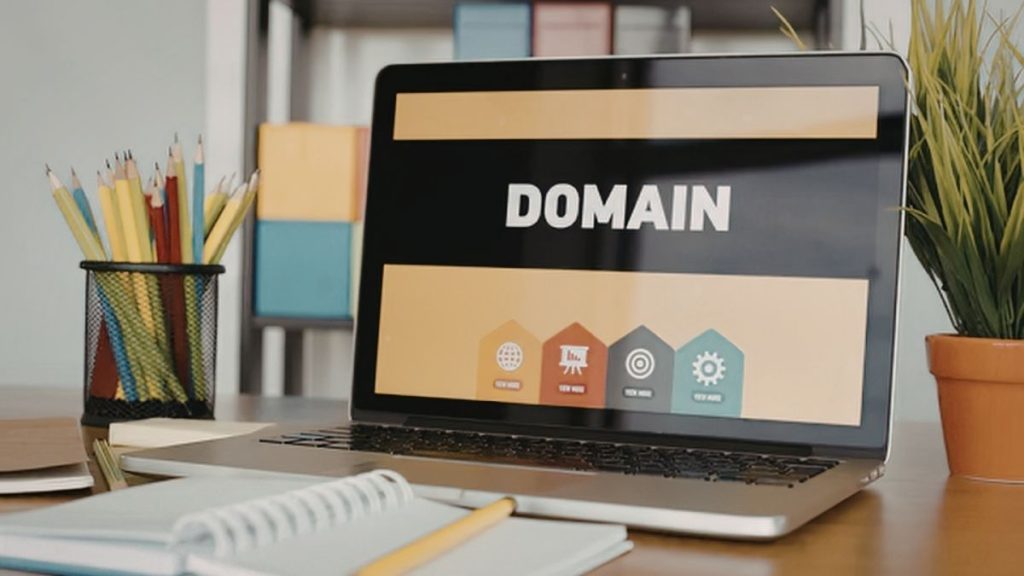
Once you have acquired a domain from an aged domains marketplace, the next step is deciding how to use it. There are two primary strategies that most successful SEOs employ. The first is building a brand-new site directly on the domain. This is the most straightforward approach and allows you to take full advantage of the existing authority from day one. You simply set up your hosting, install your CMS, and start publishing content that is relevant to the domain’s original niche.
The second strategy is the 301 redirect. This involves redirecting the aged domain to an existing site you already own. When done correctly, this can transfer the ‘authority’ and backlink power to your main site, giving your existing pages a significant boost in the rankings. However, this requires a more nuanced touch, as you need to ensure the topics are closely related to avoid confusing search engine algorithms. Whichever path you choose, the key is to maintain the quality and relevance that made the domain valuable in the first place. Consistency in your approach will ensure that the initial investment continues to pay dividends for years to come, helping you build a more resilient and profitable online business.

William writes about Scotland’s rich history, from ancient clans to modern cultural movements, exploring the country’s heritage and traditions.